Good Luck Figurines From Around the World: The Maneki-Neko and Its Cultural Counterparts
I paint Maneki Neko for a living, so I spend a strange amount of time thinking about how people ask objects to look after them. Every culture seems to make its own version: Ireland has its clovers, India has its elephants, Turkey has its blue evil-eye beads. I love that. But the lucky cat is the one I know from the inside, and the reason I keep coming back to it is that it does several things at once. It asks for wealth, it offers protection, and it holds personal meaning, all in one small, adaptable shape. There's a color for every intention, which is part of why I never get bored painting them.
Here's the difference I feel when I hold one. A horseshoe guards a doorway. A Hamsa hand pushes harm away. The maneki neko does the opposite gesture entirely: it waves opportunity in. That's probably why so many people end up with one on their desk. Below is a quick tour of eight fortune symbols from around the world, seen honestly from my corner of a Barcelona studio. If reading it makes you want a cat that matches your own intention, they're all hand-painted, one at a time, in my Etsy shop.
Quick Guide
| Figurine | Origin | Main Purpose | Common Placement |
|---|---|---|---|
| Maneki-Neko | Japan | Invites wealth, customers, fortune | Entrances, desks, counters |
| Daruma Doll | Japan | Perseverance, goal-setting | Desks, altars, shelves |
| Laughing Buddha | China | Abundance, contentment | Entrances, wealth corners |
| Hamsa Hand | N. Africa / Middle East | Protection from the evil eye | Walls, jewelry, nurseries |
| Nazar Boncuk | Turkey | Deflecting harm | Doors, cars, clothing |
| Elephant (trunk up) | India / Thailand | Strength, prosperity | Living rooms, entryways |
| Four-Leaf Clover | Ireland | Faith, hope, love, luck | Charms, jewelry |
| Horseshoe | Europe / Americas | Protection, holding luck | Above doorways |
Maneki-Neko: Japan's Beckoning Cat and Its Global Journey
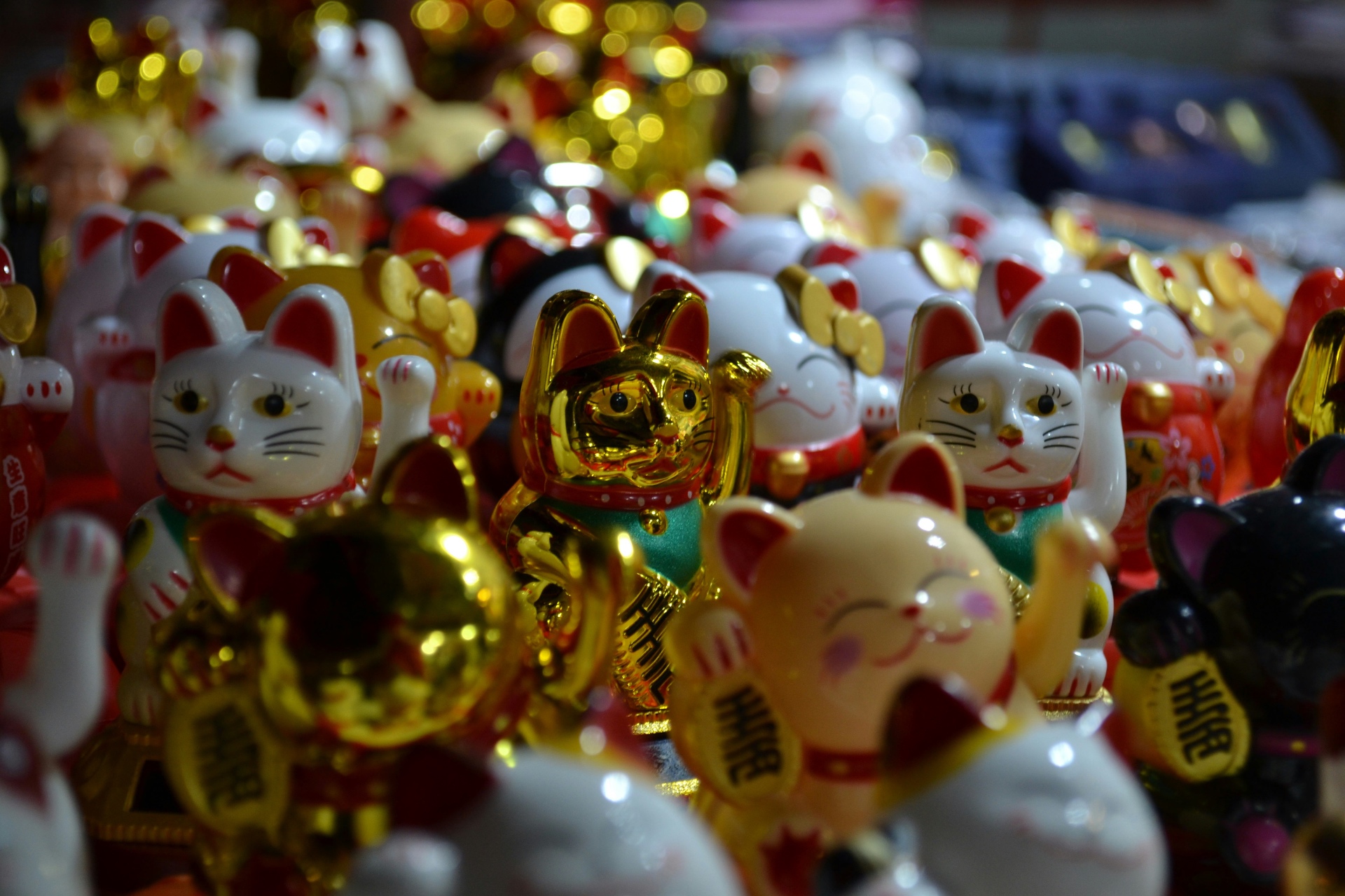
The maneki neko is a Japanese good luck figurine that raises one paw to beckon fortune toward you. That's the short answer, and it's the one I've painted onto hundreds of little faces.
The history goes back to the Edo period. My favorite of the stories ties the cat to Tokyo's Gotokuji Temple and the legend of Ii Naotaka, a lord who followed a cat's beckoning paw out of a storm and into safety. Other tellings point to Imado Shrine, where some of the early clay versions turned up in the late Edo and Meiji years. The oldest ones were often a seated Japanese Bobtail holding a small koban coin. As Japanese trade widened, the cat traveled; in Chinese communities it became known as 招財貓, the fortune cat, though its roots stay Japanese. When I paint the paw, I'm always aware I'm repeating a gesture people have been making for a very long time: left paw raised invites customers, right paw invites money, and both paws up is for a little extra protection. You'll find these cats everywhere now, from Aichi Prefecture to Brooklyn.
Best for: anyone curious about how a whole culture folds hope into a physical object you can hold.
Daruma Dolls and the Practice of Perseverance
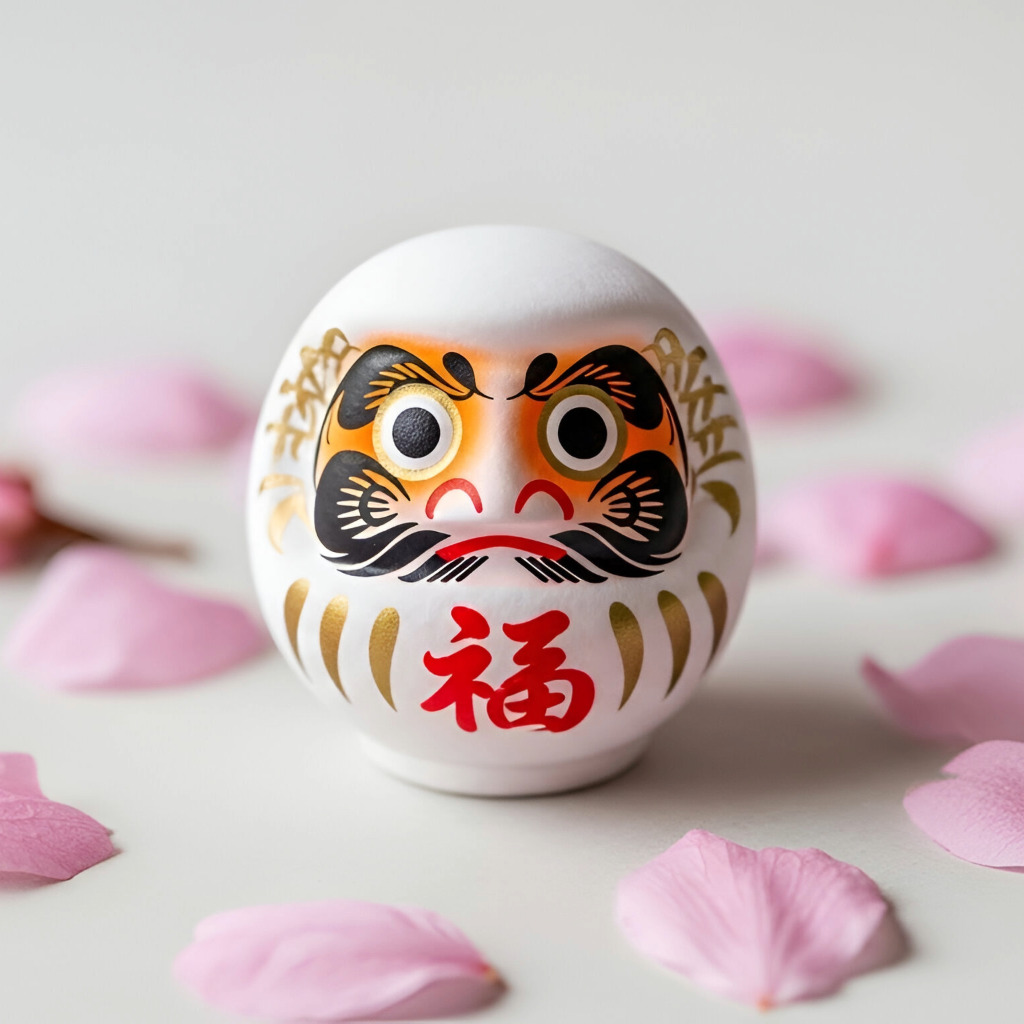
A Daruma doll is a Japanese figurine that represents grit, not fortune, and you're meant to work for what it stands for.
It's modeled on Bodhidharma, the Zen monk associated with long meditation and iron discipline. The shape says everything: round, no arms, no legs, weighted so that when you tip it, it rights itself. It's a reminder to get back up after a setback. Unlike my cats, a Daruma doesn't invite customers or wealth in; it prods you to act. Most arrive with two blank white eyes, and there's a ritual I find genuinely moving. You paint in one eye when you set a goal, and you fill the second eye only once you've reached it. Both are proud Japanese figurines, but I'll admit the difference in temperament: the Daruma is stern, and the lucky cat is more flexible, open to colors, poses, and personalized designs. I love them for opposite reasons.
Best for: goal-setters, deep workers, anyone chasing something that takes a long time.
Laughing Buddha: Chinese Traditions of Wealth
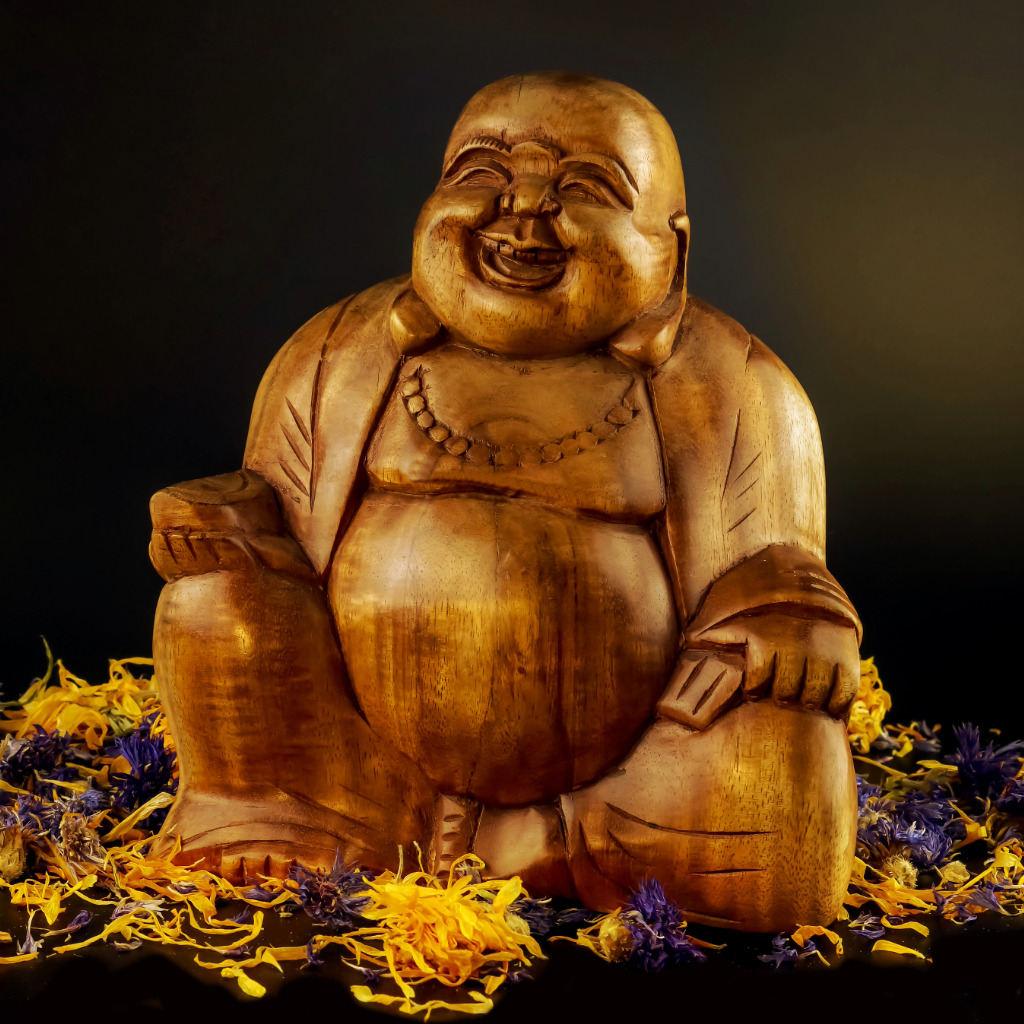
The Laughing Buddha is a Chinese figure of abundance and easy contentment, recognizable by his round belly and wide smile.
He's also called Budai or Hotei, shown as a plump, grinning monk carrying a cloth sack said to hold either treasures or the troubles of the world. In Chinese tradition he stands for generosity and simple joy. In Feng Shui people set him near entrances or in wealth corners to draw in positive energy. I see him a lot in the same Asian shops and restaurants where my cats end up, and I notice we're doing related work: he radiates plenty, the maneki neko waves it closer. The honest difference is adaptability. He is who he is, while a lucky cat shifts with its color, its paw, its style, which is what keeps my brush busy.
Best for: homes and shops that want to lean into abundance and generosity.
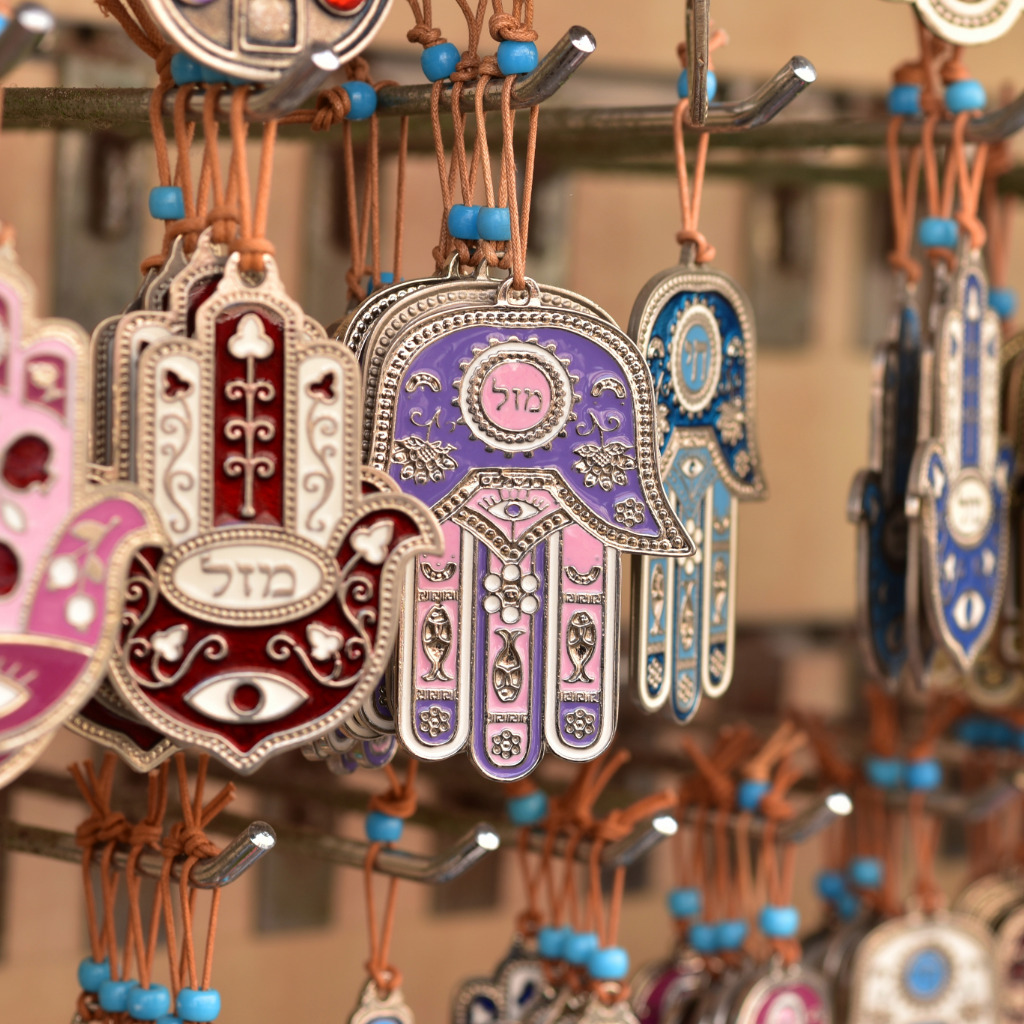
Hamsa Hand and Its Protective Role
The Hamsa is an open right hand, often with an eye at its center, used across North Africa and the Middle East to block the evil eye.
The evil eye is that harmful glare people have long believed can bring bad luck or illness, and the Hamsa is the shield against it. It carries different names in different faiths: the Hand of Fatima in Islamic cultures, the Hand of Miriam in Jewish ones, the Hand of Mary in some Christian traditions. I'm no expert on it, but as someone who spends all day painting a raised paw, the contrast fascinates me. My maneki neko lifts a paw to call fortune in; the Hamsa lifts a palm to keep harm out. One opens the door, the other guards it.
Best for: doorways, nurseries, and anyone whose focus is protection rather than attraction.
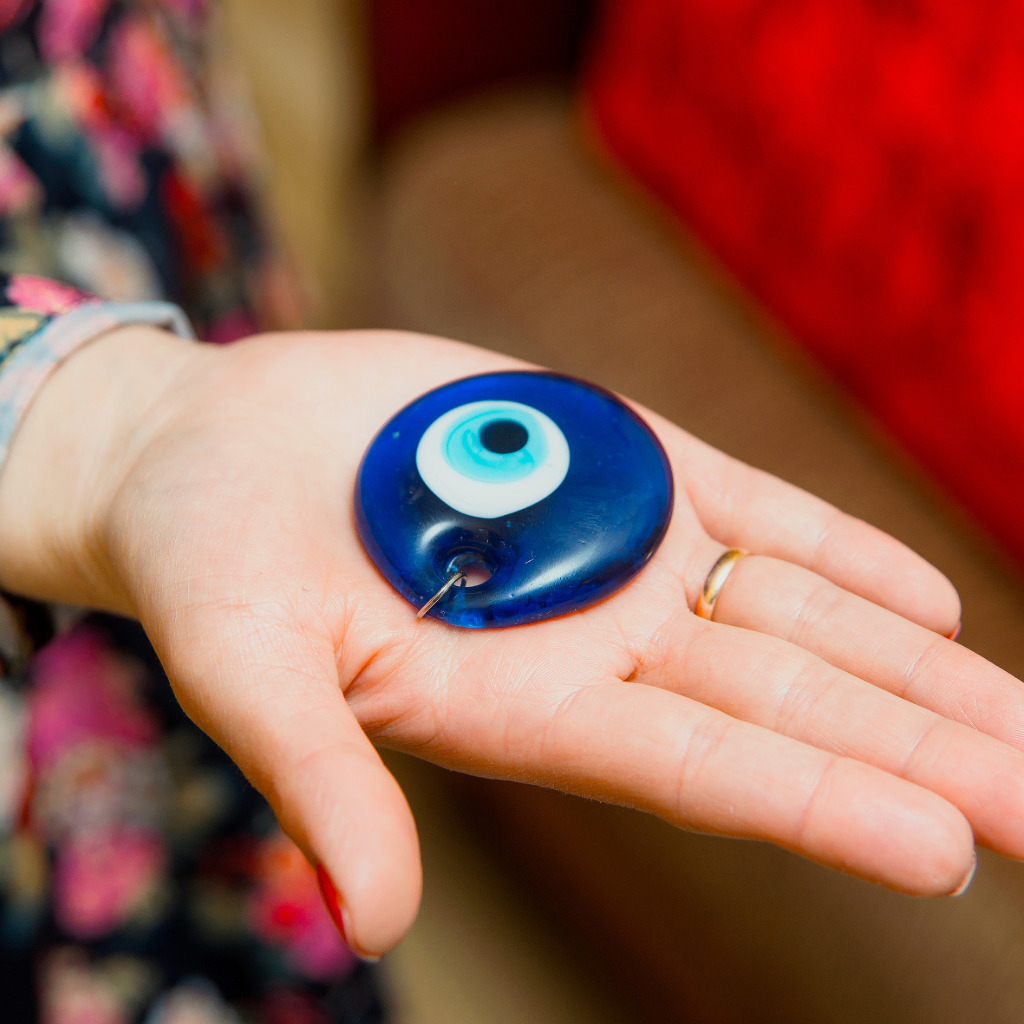
Nazar Boncuk: The Turkish Evil-Eye Bead
The nazar boncuk is Turkey's evil-eye amulet, usually a bead of hand-blown blue glass shaped like an eye, and its whole job is to deflect harm.
The name tells you a lot: "nazar" comes from the Arabic for sight, and "boncuk" is Turkish for bead. It guards against the same evil eye the Hamsa faces, and like the Hamsa it doesn't invite anything in, it blocks. You'll spot them on doors, walls, cars, and even baby clothes. I keep being struck by how single-minded it is compared with what I paint. A lucky cat can mean wealth, business growth, love, or calm depending on its color and gesture, whereas the nazar has one clear, focused purpose and does it completely.
Best for: spaces that need a plain, focused shield against bad energy.
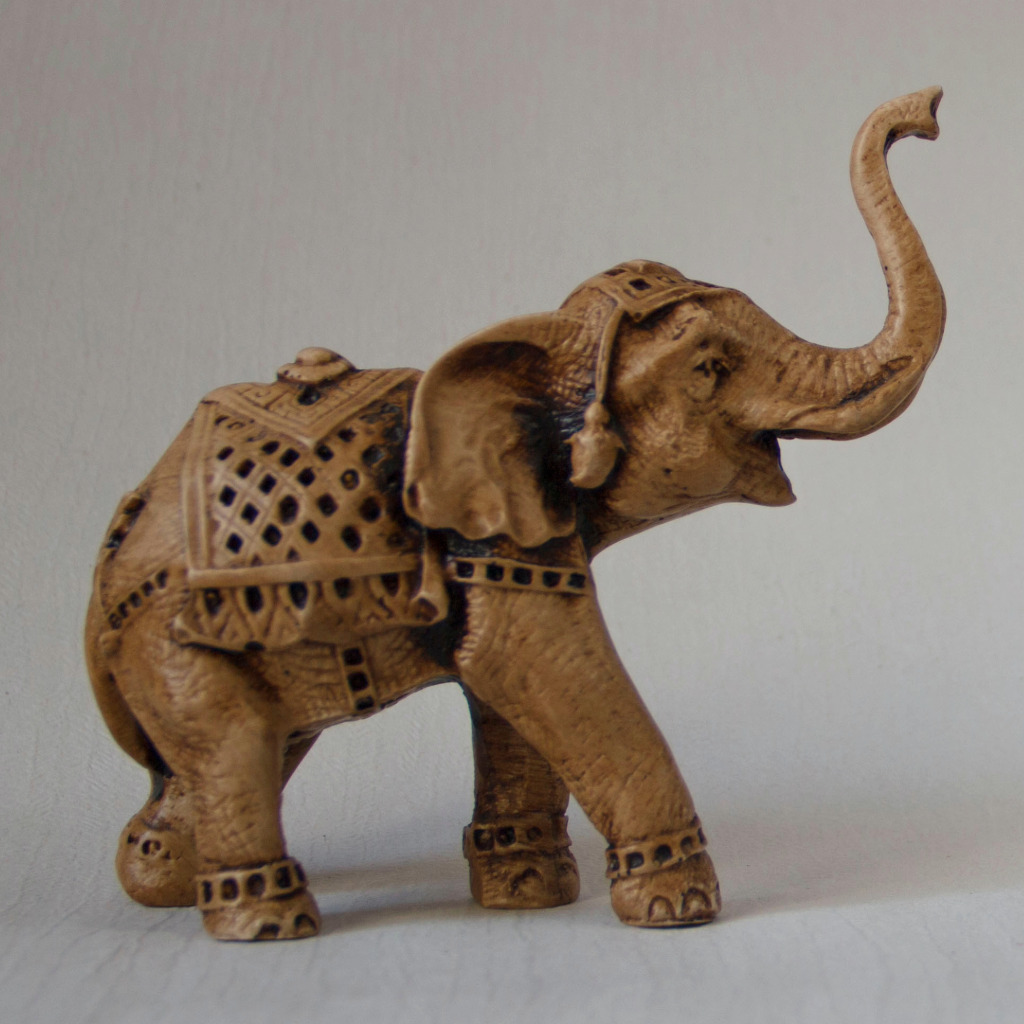
Elephants: Fortune in Motion
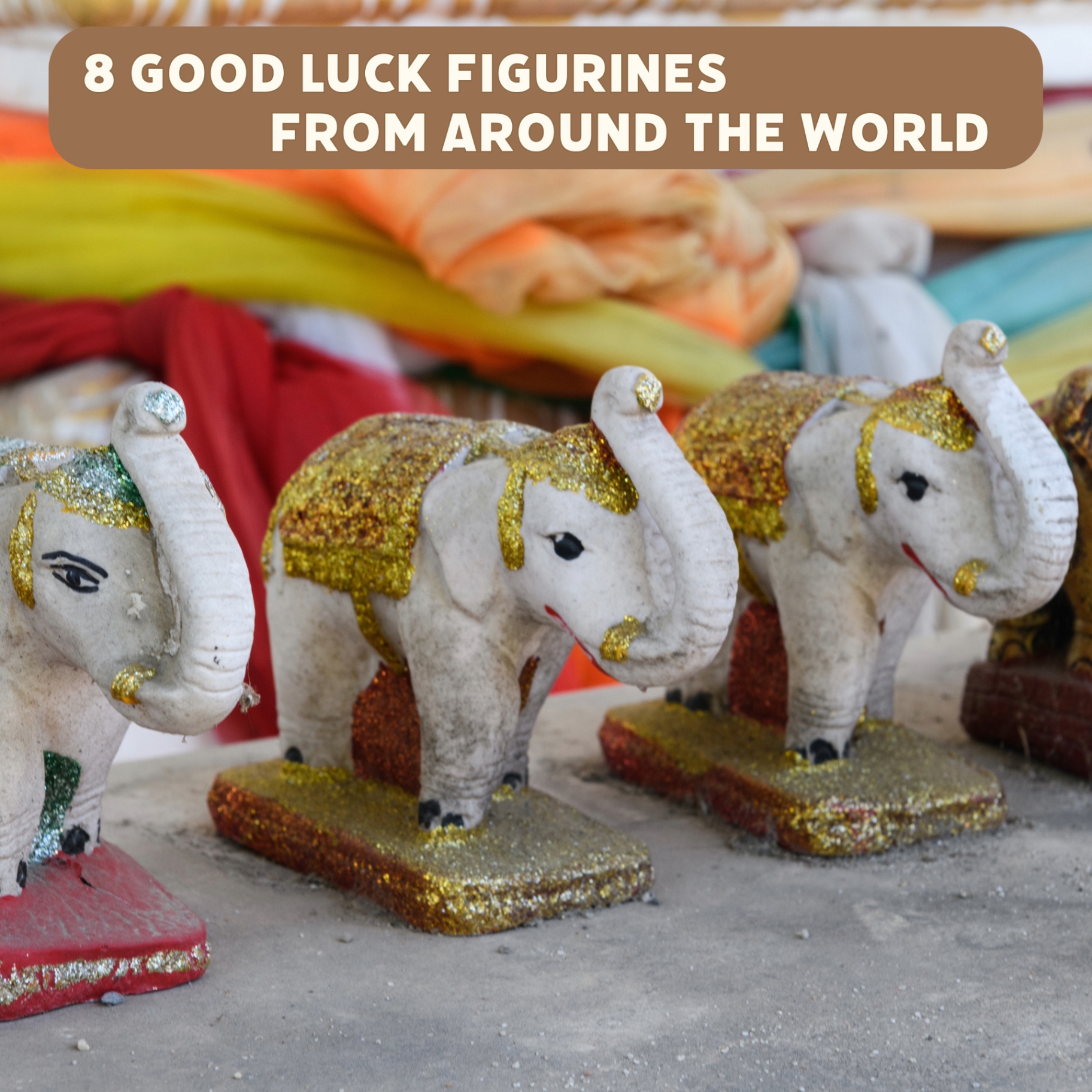
An elephant with its trunk raised is a symbol of good fortune, strength, and protection across South and Southeast Asia.
In Feng Shui, a trunk-up elephant facing the entrance is said to usher luck into the home. In parts of India and Thailand the lifted trunk signals power and wisdom, and white elephants carry an extra weight of rarity and blessing. This is one of the comparisons I think about most while I work. My maneki neko beckons fortune toward you, paw waving; the elephant raises its trunk as if the fortune is already pouring in. They belong in the same rooms, too, in homes, shops, and offices, just with different postures of hope.
Best for: living rooms, entryways, and any space that could use grounded, steady energy.
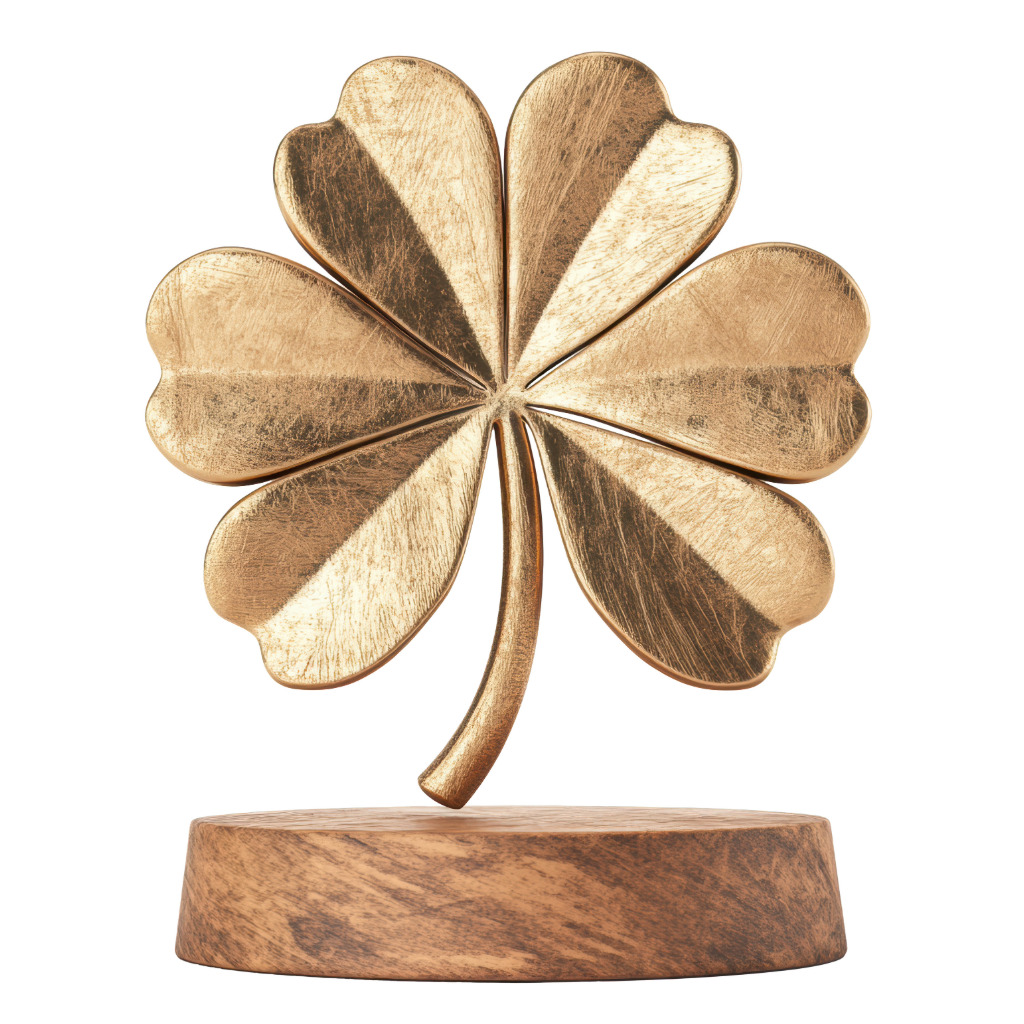
Clovers & Leprechauns: Luck From Ireland
The four-leaf clover is Ireland's emblem of luck precisely because it's rare, since most clovers only grow three leaves.
That fourth leaf is the whole point, and each of the four is often read as faith, hope, love, and luck. What I find charming is that it starts as a real plant, not a sculpted figure like the Japanese pieces I make. You see it on charms, jewelry, and small figurines, especially around St. Patrick's Day. The leprechauns bring the playful, mythological side, little bearded figures guarding their pot of gold. I'll be honest as a maker: neither one is as visually direct as a beckoning cat, where the gesture itself tells you what it wants. That's the gap a personalized lucky cat fills for me, blending tradition, design, and a clear intention.
Best for: anyone drawn to nature-based symbols and folklore.
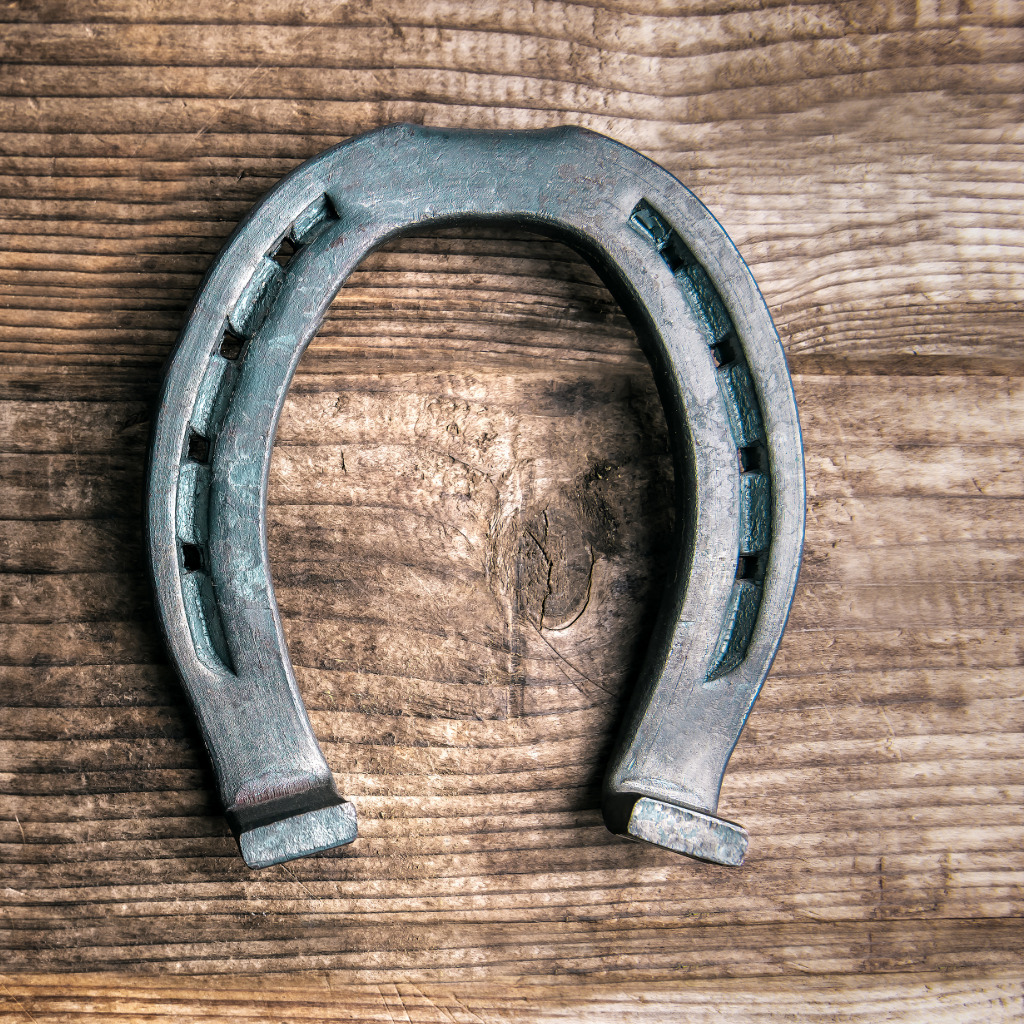
Horseshoes: Western Symbols of Good Luck
A horseshoe hung above a doorway is the classic Western good luck figurine, meant to hold fortune and offer protection.
Across many Western countries, iron was believed to ward off evil, so the shoe went up over the door. There's a small, friendly disagreement about direction: many families hang it ends-up so the luck stays cupped inside, while others hang it ends-down so luck pours over everyone walking below. It's simple and direct in a way I respect. It doesn't wave, and it doesn't hold coins. That's really the contrast with what I do, a hand-painted maneki neko leaves you far more room to express who you are while still standing in a long tradition.
Best for: doorways and entrances, anywhere a clear, traditional symbol just fits.
Why the Maneki-Neko Endures
After all eight, here's why I keep painting the one I do. The lucky cat's meaning is legible at a glance. A raised right paw signals wealth, the left paw invites customers and friends, and the colors carry their own quiet vocabulary: gold for prosperity, white for balance, black for protection, pink for love. It's a system that's easy to understand and easy to live with.
The other reason is that it bends to modern taste without losing itself. I can paint a small, minimalist cat or a bright, detailed one, and both are still unmistakably a maneki neko. A personalized lucky cat can carry your name, a business logo, or a color palette you choose, which makes the figure feel like yours without cutting it off from its cultural roots. I'm self-taught, and I only take on a few custom cats at a time so I can sign and finish each one properly, but that limit is also the part I love most.
Every maneki neko I make is painted by hand in my studio and shipped worldwide.
More from Culture & Symbolism
More from this cluster: 5 Lucky Cat Color Meanings You Probably Didn't Know — Culture & Symbolism